
Why the same car can need different windscreens
One car model can take several different windscreens. What sets them apart, why the model and year are not enough, and what a wrong screen costs a fitter.
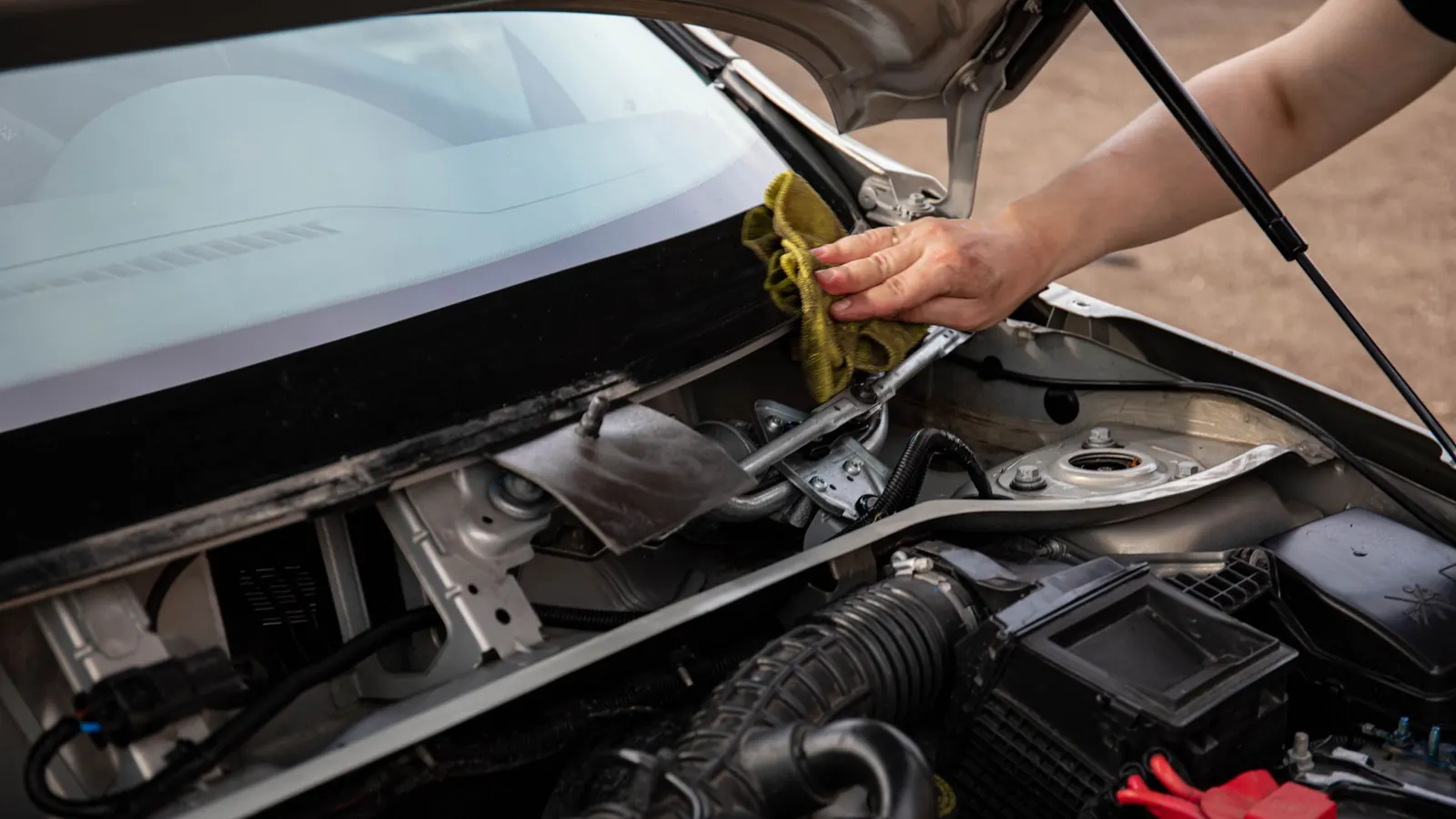
Make, model and year are not enough to find the correct windscreen for a car. The same model is often built with several different windscreens, depending on whether the car has a heated screen, an acoustic or solar layer, a head-up display, a camera or a rain sensor. To find the right windscreen part number, identify the exact vehicle from its VIN or registration, then check the glass that is actually fitted.
Why are there so many windscreens for my car?
A windscreen is not just a sheet of glass. Most car windscreens are laminated: at least two layers of glass joined by a plastic interlayer. The maker can build features into any of those layers or fix parts to the inside surface. Each combination of features is a different part with its own part number. One family hatchback can have a plain screen, a heated one, one with a camera bracket, and one with both, before you count tints and coatings.
These are the features that most often split one model into several screens:
| Feature | What is different in the glass | What to look for |
|---|---|---|
| Heated screen | Very fine heating wires or a heated layer inside the laminate | Faint wires seen at an angle, a heated screen switch |
| Acoustic | A sound-damping interlayer between the two sheets of glass | Any “Acoustic” or ear mark in the stamp (not always present) |
| Solar or infrared-reflective | A coating that reflects heat, often with marked clear areas for toll tags | A coloured sheen in reflected light, a marked clear zone |
| Tint and shade band | Green, grey or clear glass, with or without a darker band across the top | Colour of the glass and any band |
| Head-up display | Glass made so the projected image does not appear doubled | A projector opening in the top of the dashboard |
| Rain or light sensor | A pad or bracket bonded to the glass behind the mirror | A sensor housing behind the mirror |
| Camera | A camera bracket and a matching black print area | A camera housing at the top centre of the screen |
| Aerial | An aerial printed on or set into the glass | Thin lines or a connector at the edge |
| VIN window | A clear gap in the black border so the VIN plate can be read from outside | A small clear window in the lower corner |
Each of these is covered in more detail in its own guide: heated windscreens, acoustic and solar windscreens, head-up display windscreens and rain sensor and camera bracket windscreens.
Some of these features matter to the driver in ways that are easy to miss. Polestar, for example, tells owners that its infrared-reflective windscreen blocks a toll transponder placed outside the marked areas. Fit a screen without those clear areas, or with them in a different place, and a customer's tag can stop working.
Other reasons the screen can differ
- Left-hand or right-hand drive. Anything that sits in front of the driver changes sides. Volkswagen, for example, places the VIN viewing window in the lower part of the screen in front of the driver's seat, so a left-hand drive screen is not the same part.
- Body style and trim. A van, a passenger version and a sporty trim of the same model can use different screens, mouldings or sensor packs.
- Changes during production. Makers change brackets, coatings, suppliers and sensor designs part-way through a model's life. Two cars registered in the same month can carry different screens.
Why make, model and year are not enough
Most of the features above are options, or come with a trim level or a pack. The model name tells you the shape of the screen. It does not tell you which of the screens of that shape the car left the factory with.
Year is a weak guide too. A model year, a build date and a registration date are three different things, and a facelift or a running change can fall anywhere between them. Imports, late registrations and ex-demonstrator cars make the gap wider.
Searching for a windscreen by registration has the same limits. In the UK a registration leads you to the vehicle record and its VIN, which is useful. But a registration on its own does not describe the glass, and private plates move between cars, so always confirm that the VIN on the car matches the one your lookup used.
Can a windshield part number lookup by VIN still leave a choice?
Yes. A VIN is the best starting point because it identifies one particular vehicle. Under the type-approval rules for VINs, the middle section of the 17-character VIN describes the general characteristics of the vehicle, and the last section identifies that individual vehicle. It is an identity code, not a list of every option fitted.
So even a VIN lookup can return more than one possible windscreen. The common reasons are:
- Options the VIN does not record. A car can have options that its VIN does not show, and some extras are added after it leaves the factory.
- The screen has been replaced before. The glass in the car may not be the glass it was built with. A previous fitter may have used a screen without a heated layer, or with a different bracket.
- The options look alike. Two screens can share a shape and differ only in a coating or an interlayer you cannot see at a glance.
That is why a good VIN lookup should show you every screen that could fit, with what sets each one apart, rather than hide the choice. VINtoGlass does this: when more than one windscreen could fit, it lists each option and the difference between them, so you know what to check on the car. See how options are shown. The part numbers themselves are explained in ARGIC and Eurocode explained.
What a wrong windscreen costs a fitter
Ordering the wrong screen is rarely a small mistake. A typical wrong order can mean:
- A wasted trip. A mobile fitter drives out, finds the bracket or sensor pad does not match, and has to rebook.
- A broken original. If the mismatch is only found after the old screen is cut out, the car may be left without usable glass. Bonded screens can crack on removal, so you often cannot refit the old one.
- A return. Windscreens are large, fragile and expensive to send back. Some suppliers charge for returns, and a screen damaged in transit is your loss.
- Calibration problems. Where a camera is involved, Thatcham Research's position is that calibration after a repair must confirm the sensors work to the vehicle maker's tolerances. A wrong screen can make that impossible. See ADAS calibration after windscreen replacement.
- An unhappy customer. A heated screen that no longer clears, a rain sensor that does not work, a doubled head-up display image or a toll tag that stops reading all lead to complaints, and for claims staff, to repeat work on the same claim.
The quality of the replacement matters as well as the variant. For the difference between maker-branded and other glass, see OEM, OEE and aftermarket glass.
Check the glass on the car
Whatever any lookup says, the screen in front of you is the final check. Read the markings in the corner of the existing glass, look behind the mirror for sensors and cameras, check for heating wires and a head-up display projector, and look for a clear VIN window. Windscreen markings explained covers what the stamp in the corner can and cannot tell you. For lorries and other heavy vehicles, where cab type adds another layer of choice, see truck and HGV windscreens.
Before you order
- Take the full 17-character VIN from the car or the V5C, not just the registration.
- Confirm the VIN on the car matches the one used for the lookup.
- If more than one windscreen could fit, note how they differ before you go.
- Photograph the stamp in the corner of the existing screen.
- Photograph the area behind the mirror: camera, rain sensor, light sensor.
- Check for heating wires, a head-up display, a shade band and a VIN window.
- Ask the customer whether the screen has been replaced before.
- Find out whether the car will need camera calibration, and book it with the job.
More guides
-

Acoustic and solar windscreens
Quieter and cooler glass: what it is, how to recognise it, and why the swap matters.
-
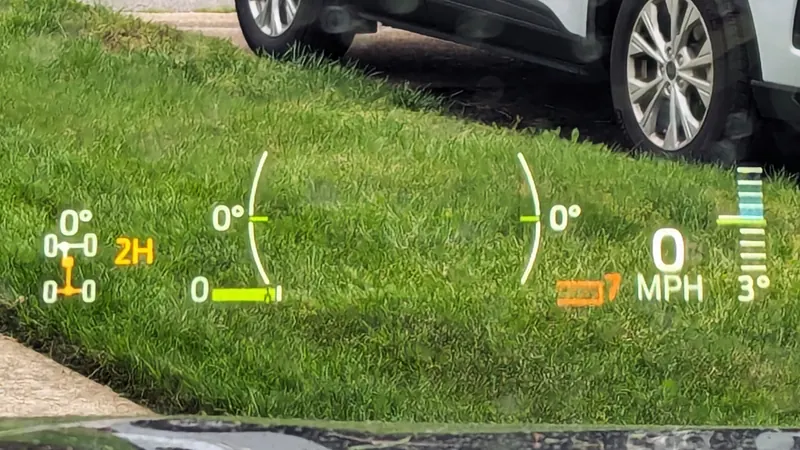
Head-up display windscreens
Why a standard screen gives a double image, and how to recognise a HUD screen.
-
Windscreen markings explained
The stamp in the corner of the glass, line by line, and what it can and cannot tell you.