
Windscreen markings explained
How to read the stamp in the corner of a windscreen: E-mark, 43R, DOT, glass type and date codes, and what it can and cannot tell you about the part.
The stamp in the corner of a windscreen tells you who made the glass and which safety approvals it carries: in Europe a circled E with a country number and a 43R approval number, in the US a DOT number and AS1, and in China the CCC mark. Many stamps add a glass type symbol and a date code. On a screen supplied through the vehicle maker the stamp may also carry the car maker's logo and part number, but that describes the glass fitted now, not necessarily the glass the car was built with.
What the windscreen stamp is
The trade calls it the stamp, the logo or the bug. It is printed or etched into the glass, usually in a corner, because the rules require the marking to be permanent and easy to read. UN Regulation 43, the safety glazing rule used across Europe and in the UK, says every pane must carry the glass maker's trade name or mark, plus an approval mark placed where it can be seen. US rules ask for their own marks, and a windscreen made for several markets can carry all of them at once.
Reading from the top, a typical stamp has some or all of these lines:
- the glass maker's name or logo
- a circled E with a number, then 43R and an approval number
- a Roman numeral for the glass type
- the word LAMINATED or TEMPERED (toughened)
- DOT followed by a number, and AS1 or AS2
- a CCC mark for China
- a date code of dots and a single digit
- the glass maker's own model code, often starting with M
The E mark and 43R approval number
The circle with an E and a number is the European approval mark under UN Regulation 43. The number is the country that granted the approval, not where the glass was made. E1 is Germany, E2 France, E4 the Netherlands and E11 the United Kingdom.
To the right of the circle comes 43R, a dash and the approval number. 43R means the glass is approved under Regulation 43. The first two digits of the approval number show which series of amendments to the regulation applied when it was approved. The regulation's own example reads E4 with 43R-012439: approved in the Netherlands, approval number 012439, under the 01 series of amendments.
Near the approval mark you will find a symbol for the type of glass:
| Symbol | Meaning |
|---|---|
| I | Toughened glass windscreen |
| II | Ordinary laminated glass windscreen |
| III | Treated laminated glass windscreen |
| IV | Glass-plastics windscreen |
| V | Glazing that lets through less than 70 per cent of light |
| VI | Multiple-glazed unit |
| VII | Toughened windscreen for slow vehicles that cannot exceed 40 km/h |
| VIII to X | Plastic glazing of various kinds |
| XI | Laminated glass pane (not a windscreen) |
| XII | Glass-plastics pane |
| /P | Glass with a layer of plastic on its inner face |
On a modern car windscreen you will usually see II, for ordinary laminated glass. A toughened side or rear glass that lets through at least 70 per cent of light has no type symbol at all. A V means the glass lets through less than 70 per cent of light, as dark privacy glass does. Some vehicle makers add a symbol of their own for laminated side glass: Polestar's owner manual, for example, says all its laminated windows except the windscreen and panoramic roof carry a laminated glass symbol.
DOT number, AS1 and AS2, and the CCC mark
Glass made for the US market must meet US safety standard FMVSS 205, which uses the ANSI/SAE Z26.1 glazing standard. The glass maker certifies it by adding "DOT" and a code number that the US road safety regulator, NHTSA, gives to that maker. So the DOT number on a windshield identifies the glass maker, not the vehicle.
The AS number is the glazing type under the American standard. AS1 is the type a windscreen must be, and it is the mark you should expect on any windscreen that carries US markings. AS2 can be used in side windows the driver needs to see through, and AS3 is often found on darker privacy glass further back.
A circled CCC is the China Compulsory Certification mark. Vehicle safety glass is one of the products that need it before they can be sold in China, so a windscreen built for several markets may carry CCC next to its E and DOT marks.
How to read the date code
Many glass makers add a small date code: a single digit for the year and a group of dots for the month. There is no single rule, but a common convention is:
- Dots before the digit: made in the first half of the year. The dots count down, so six dots is January and one dot is June.
- Dots after the digit: made in the second half. Six dots is July and one dot is December.
So three dots then a 5 would mean April of a year ending in 5, and a 5 followed by three dots would mean October. The digit gives only the last figure of the year, so judge the decade from the vehicle. Some glass makers, and much older glass, use other systems. The date is when the glass was made, not when the car was built, and a replacement screen can be years newer than the car.
Symbols for acoustic, heated, HUD and solar glass
Regulation 43 has no symbols for features such as noise reduction, heating, head-up display or heat-reflecting coatings. Where these appear in a stamp, they are the glass maker's or vehicle maker's own markings, and they vary.
- Acoustic: many acoustic windscreens show the word ACOUSTIC or a small ear symbol. Not every acoustic screen is marked, so a missing symbol proves nothing on its own.
- Heated, head-up display and solar (infrared-reflective): some makers print words or pictograms, but there is no common standard symbol, so do not rely on the stamp to tell you.
Check the vehicle instead: the fine wires or switch of a heated screen, a head-up display in the dashboard, a camera or sensor behind the mirror. Our guides to acoustic and solar windscreens and heated windscreens explain what to look for.
What is the dotted area on a windscreen?
The black band around the edge is a black enamel, called frit. It is a mix of pigment, binders and finely ground glass, printed onto the glass before it is heated and bent, so it fuses into the surface for good. It has two jobs. It hides the polyurethane adhesive that holds the screen in the car, and it protects that adhesive from ultraviolet light, which would otherwise break it down.
The dots on the inner edge of the band are a fade from solid black to clear glass, in rows of smaller and smaller dots. The black area runs hotter than the clear glass while the screen is heated and bent. A sharp edge between the two would leave a line of optical distortion. The dots spread that change in temperature over a wider area, so the view through the edge of the screen stays clear.
Why the stamp is not enough to order from
On a screen supplied through the vehicle maker, the stamp often carries the car maker's logo and sometimes its part number. Even then, it describes the glass that is fitted now, which may not be the glass the car was built with. A screen from elsewhere usually shows neither. The approval marks themselves never identify the car. The approval number is not even unique to one windscreen: under Regulation 43, windscreens are approved in groups, and the approval lists every windscreen model in the group. One glass maker also supplies many vehicle makers, so the same name and approval marks appear on very different screens. The M number is the glass maker's own model code, and it means something only to that maker.
A replacement can also come from a different glass maker than the original, so a correct screen may carry a completely different stamp from the one it replaces. To order, you need the vehicle maker's part number and the ARGIC code, which our guide to ARGIC codes and Eurocodes explains. Our guide to the variants of one model explains why a single model can need several different screens.
Before you order
- Read the old stamp for clues: laminated or toughened, the type symbol, any acoustic marking. Do not treat it as proof of the part the car needs.
- Check the vehicle for a camera, rain or light sensor, heating and a head-up display.
- Look the vehicle up by the VIN on the car itself, not by its model name.
- Get the OE part number and the ARGIC code. Where more than one glass could fit, compare the options side by side before ordering. See how we show options.
- When the new screen arrives, check its approval mark and glass type before fitting.
More guides
-
Acoustic and solar windscreens
Quieter and cooler glass: what it is, how to recognise it, and why the swap matters.
-
Head-up display windscreens
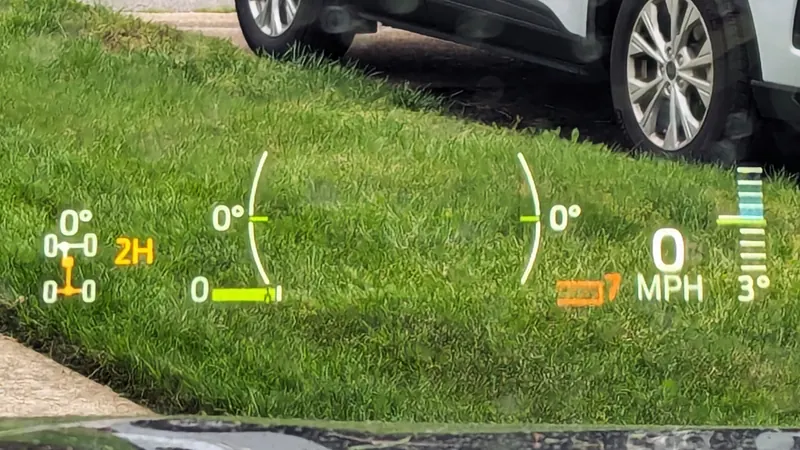
Why a standard screen gives a double image, and how to recognise a HUD screen.
-

Heated windscreens: types and how to tell
Fully heated, wire-heated or wiper-park: how to tell, and why a new screen may not heat.