
Heated windscreens: types and how to tell
Fully heated, wire-heated and wiper-park heated windscreens: how to tell which a vehicle has, and why a replacement sometimes will not heat.

To tell if a windscreen is heated, look through it against the light for very fine wires, check the car for a heated windscreen button, and look for electrical connections at the edge of the glass. Some heated screens have no visible wires at all because they heat through a thin transparent coating, and some only heat the strip where the wipers rest. Each type is a different part, which is why a replacement that looks right may not heat.
The main types of heated windscreen
"Heated windscreen" covers several quite different designs. Knowing which one a car has is the first step to ordering the right glass.
Fine-wire heated screens
The best-known type has a mesh of very thin wires laminated inside the glass. Ford's Quickclear screen is an example: Ford describes it as using ultra-thin filaments that heat up to de-ice, de-fog and de-mist the windscreen and help free frozen wipers (Ford: how Quickclear works). The wires are fine enough to be hard to notice in normal driving, but you can often see them if you look closely or at an angle against the light.
Coated, wire-free heated screens
Other heated screens have no wires in the main field of view. Instead, an extremely thin, transparent, electrically conductive layer inside the laminate is heated by passing a current through it. Patents for this type describe a thin metal or metal oxide film fed by two bus bars, conductive strips along the edges of the coating. Volkswagen introduced a wire-free version it calls the climate windscreen, using a wafer-thin silver layer that also reflects much of the sun's heat in summer (Volkswagen newsroom).
Coated screens do not always heat every part of the glass. Volvo, for example, notes that a triangular area at the end of each side of its heated windscreen is not electrically heated, so de-icing there may take longer.
Heated wiper rest area only
Some screens heat only the bottom strip where the wipers park, to stop the blades freezing to the glass. Mazda calls this a windscreen wiper de-icer: thermal filaments warm the lower part of the windscreen, and in the Mazda manuals that describe it, it switches on with the rear window demister button rather than a button of its own. Volkswagen's coated climate windscreen also has filaments along the bottom edge for the same job.
Heated camera area
On cars with a forward camera behind the glass, the camera needs a clear view in fog, frost and ice. Some designs heat the small area of glass in front of the camera for this reason, with a heating element in the glass or near the camera mount. Our guide to rain sensor and camera windscreens covers what else is fitted in that area.
Is my windscreen heated? How to tell
None of these checks is perfect on its own, so use more than one.
- Look through the glass against the light. On a wire-heated screen you will see very fine wires across the glass. If the wires are only in a band at the bottom, it is probably a wiper-park heated screen. A coated screen shows no wires, so the absence of wires does not prove a screen is unheated.
- Look for the switch. A fully heated windscreen usually has its own control, separate from the fan-driven demist setting. Ford notes that the position of the button varies by model, and Volvo's manuals show the heated windscreen with its own symbol next to the airflow demister. Remember that a wiper-park heater may share the rear demister button, so it is easy to miss.
- Check the edge of the glass. A heated screen has electrical terminals at its edge that connect to the car's wiring. On a fitted screen they may be hidden by trim, but on a removed screen or a spare they are easy to spot.
- Read the markings. The stamp in the corner tells you who made the glass and the standards it meets. It is worth reading, but it is not a reliable way to tell a heated screen on its own. See windscreen markings explained.
- Check the vehicle, not just the model. Heated screens are often an option, so two cars of the same model and year can differ. Volvo marks its heated windscreen as an option or accessory, and Volkswagen sold its climate windscreen as an optional extra.
Heated windscreen not working after replacement
If a car's heated windscreen stopped working after a new screen went in, the usual causes are these:
- A non-heated screen was fitted. A plain screen can look identical to a coated heated one at a glance, especially if the old screen had no visible wires.
- The wrong heated type was fitted. A wiper-park-only screen in a car that had full heating will only clear the bottom strip. A wire screen in place of a coated one may heat, but it will not have the coating's other benefits, such as reflecting the sun's heat.
- The connection does not match or was not made. The terminals on the glass have to suit the car's plug. If they differ, or the plug was left off during fitting, nothing will heat.
- The connection or bus bar was damaged. The terminals and bus bars carry a high current to the heating wires or coating. A terminal bent or broken during handling or fitting can stop the screen heating, and because the heating is inside the laminate it cannot usually be repaired.
Before blaming the glass, rule out normal behaviour. Some heated screens only work with the engine running, and some switch off after a set time. Volvo notes that its electrically heated windscreen is not available when the engine has been auto-stopped, and that the corners are not heated by design.
A heated screen is a more complex part than a plain one, and it was usually an extra-cost option when new. Volkswagen's climate windscreen, for example, was priced from €340 depending on the model when it launched. Fitting the wrong one means a second screen, a second fitting and an unhappy customer, so it pays to confirm the type first.
Heated and coated screens can affect signals
A metal coating or heating wires in the windshield can get in the way of radio signals. Volvo warns that its heated windscreen may affect the performance of transponders and other communication equipment, and gives the same warning for its infrared-reflecting screens. Glass makers deal with this by leaving a coating-free area, sometimes called a communication or data transmission window, so devices such as toll tags can work through it.
If the original screen had one of these windows, the replacement needs it too, in the same place. Otherwise a toll tag or similar device that worked before may stop working after the job. The same issue applies to solar control coatings without heating, which our guide to acoustic and solar windscreens covers.
Before you order
- Look through the screen against the light for wires, and note whether they cover the whole screen or only the bottom.
- Check the dashboard for a heated windscreen button, and ask the driver whether the screen heats.
- If the screen is out or cracked badly, look at the terminals on its edge.
- Check for a coating-free window near the mirror and whether the driver uses a toll tag or other transponder.
- Run the VIN through a lookup that lists every screen that could fit, and compare them for heating and the type of heating.
- After fitting, connect the heating, switch it on with the engine running and check it clears the whole screen before the car goes back.
More guides
-

Acoustic and solar windscreens
Quieter and cooler glass: what it is, how to recognise it, and why the swap matters.
-
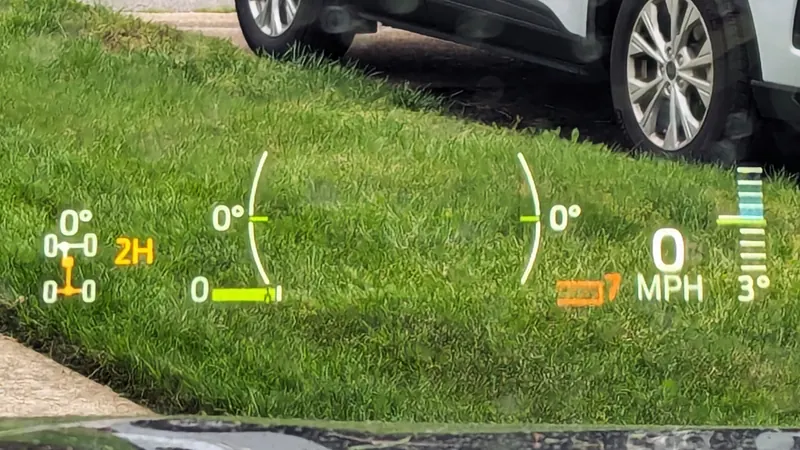
Head-up display windscreens
Why a standard screen gives a double image, and how to recognise a HUD screen.
-
Windscreen markings explained
The stamp in the corner of the glass, line by line, and what it can and cannot tell you.