
Acoustic and solar windscreens
What acoustic and solar control (heat-reflecting) windscreens are, how to recognise them, and why fitting a plain screen in their place matters.

An acoustic windscreen has a sound-damping layer inside the laminate that cuts the wind and road noise reaching the cabin. A solar windscreen limits the sun's heat, either with tinted glass that absorbs it or with an infrared-reflective coating or film. The two are separate options: a car can have either, both or neither. Both can look like an ordinary screen, so the markings and the vehicle's exact identity tell you more than your eyes do.
What is an acoustic windscreen?
A modern car windscreen is laminated: two sheets of glass bonded to a plastic interlayer, usually PVB (polyvinyl butyral). In an acoustic windscreen that interlayer is a special grade made to damp sound and vibration, so less of the noise outside reaches the people inside.
The makers of these interlayers say the gain is greatest at higher frequencies. One points to the range between 1 and 6 kHz, where the human ear is most sensitive and an ordinary laminated screen does little. Published research on acoustic interlayers found the main benefit in the high-frequency range, with wind noise as the source being tested. In plain terms, an acoustic screen is about a quieter cabin at speed.
That is what "acoustic windscreen" means: a laminated screen with a sound-damping interlayer. It is not double glazing, and from the outside an acoustic windshield looks like any other.
The acoustic windscreen symbol: how to recognise one
Because the damping is inside the laminate, you cannot see it. The marking is the clue. Many glass makers state it in the stamp in the corner of the screen, usually with the word "Acoustic" or a small symbol of an ear.
- Read the whole stamp, not only the logo. An acoustic mark, where there is one, is usually part of the same stamp as the approval mark and the maker's codes.
- The safety markings laid down by UN Regulation 43 have no symbol for acoustic glass. Any acoustic mark is the glass maker's own, so the wording and symbol vary from one maker to another.
- Not every acoustic screen is marked. A missing ear symbol does not prove the screen is plain.
So treat the symbol as a helpful sign when it is there, not as proof when it is not. Our guide to windscreen markings goes through the rest of the stamp line by line.
Why fitting a non-acoustic screen matters
A standard screen in place of an acoustic one can fit, seal and pass as safety glass. It just does not have the damping layer the car was built with. The driver may notice more wind noise at motorway speeds, especially someone who drives the car every day and knows how it sounded before.
For a fitter that means a comeback: a customer who says the car is noisier since the new screen went in, and a second fitting at your cost if the wrong glass was used. For a fleet or an insurer it means a complaint that is hard to argue with, because the car really is louder. The cheapest time to get it right is before the screen is ordered.
What is a solar windscreen?
"Solar windscreen" covers glass designed to cut the heat the sun puts into the cabin. There are two broad ways of doing it.
- Tinted (absorbing) glass. The glass itself is tinted, often green, and absorbs part of the sun's energy as it passes through.
- Infrared-reflective glass. A very thin coating of metal or metal-oxide layers, or a film carrying metal particles, is built into the laminate. It reflects much of the infrared (the part of sunlight felt as heat) before it reaches the cabin, while letting visible light through.
The reflective type goes by many names: heat reflective windscreen, IR or IRR windscreen, solar control, and athermic windscreen, the term common on French cars. They all describe the same idea.
| Type | What it does | How it can look |
|---|---|---|
| Acoustic | Damps noise with a special interlayer | Like a plain screen; may have "Acoustic" or an ear symbol in the stamp |
| Tinted (absorbing) | Absorbs part of the sun's energy in the glass | An even tint, often green |
| Infrared-reflective | Reflects infrared with a metal-based coating or film | Often like a plain screen; may show a coloured sheen at some angles |
How to tell a coated screen, and the data window
A coated infrared-reflective screen can show unusual coloured reflections when you look at it from outside at certain angles: purple, blue, red or yellow tints that plain glass does not have. Many look just like ordinary glass in normal light, so a lack of sheen proves nothing.
The more reliable clue is the uncoated area. A metal-based coating can weaken or block radio signals, so many vehicle makers leave a small part of the screen uncoated, often near the base of the interior mirror and sometimes marked with a pattern of dots. It is known as a communication window or data window. It is there so that electronic tags and devices that sit behind the screen can still work: toll tags, access tags and similar transponders, and satellite navigation devices.
One vehicle maker's service note explains this well. It told dealers that the windscreens on some 2025 models have a coating that may block radio-frequency (RFID) transponders, such as toll and home-access tags, and that the screen has a designated area near the mirror without the coating where the tag should go.
Two practical points follow.
- Tell drivers to fix toll tags and similar devices in the uncoated area shown in the owner's manual. Stuck anywhere else on a coated screen, they may work badly or not at all.
- When you replace a coated screen, the new one needs its data window in the same place. If a customer says their tag stopped working after a new screen, a missing or misplaced window is a likely cause.
A tinted screen and a solar screen can look the same
Here is the trap. A plain tinted screen and an infrared-reflective screen can look almost identical on the car. The coating is invisible in most light, and the communication window can be hard to see unless you know where to look.
Fit a tinted screen where the car had a reflective one and nothing looks wrong, but the car has lost the heat protection it was built with. Fit a reflective screen where the car had a plain one and a toll tag that used to work anywhere on the glass may stop working.
So note the markings on the old screen, and check the vehicle exactly rather than by model and year. That is the same reason one model can take many different screens: see one model, many windscreens.
Acoustic and solar are separate options
Acoustic and solar control are separate features. A car can have an acoustic screen that is not solar, a solar screen that is not acoustic, a screen that is both, or one that is neither. Glass makers offer infrared-reflective windscreens that also have acoustic interlayers and work with head-up displays, and on some models these are options or come with higher trim levels, so two cars of the same model can differ.
They also sit alongside the other features a screen may carry: a camera bracket, a rain and light sensor area, a heated layer, or a head-up display zone. Each of those changes the part. If the car has a camera behind the screen, see ADAS calibration after a windscreen replacement as well.
Before you order
- Check the VIN on the car matches the paperwork. Model and year alone will not show whether it was built with acoustic or solar glass.
- Read the stamp on the old screen: look for "Acoustic", an ear symbol, or any heat or solar wording.
- Look for a dotted or clear communication window near the mirror, and ask the driver if they use a toll or access tag.
- Note whether the glass is tinted, and look for a coloured sheen from outside at an angle.
- Check for the other features too: camera, sensors, heating, head-up display.
- Where several screens could fit, see which are acoustic or solar before you choose. See how options are shown.
More guides
-
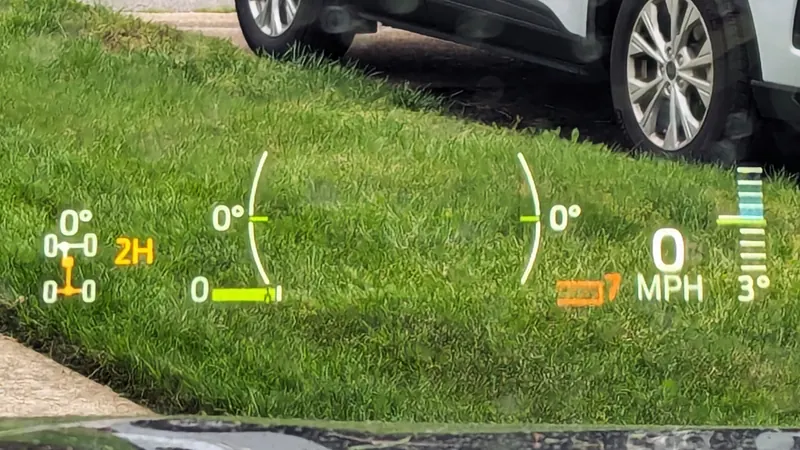
Head-up display windscreens
Why a standard screen gives a double image, and how to recognise a HUD screen.
-

Windscreen markings explained
The stamp in the corner of the glass, line by line, and what it can and cannot tell you.
-

Heated windscreens: types and how to tell
Fully heated, wire-heated or wiper-park: how to tell, and why a new screen may not heat.